
Winter arrives softly, doesn’t it? Cool winds, cozy sweaters, warm drinks… but also that one uninvited guest—dry, flaky, moisture-starved skin.
If you have ever wondered why your skin feels tight, uncomfortable, or suddenly lacks its usual glow, you are not alone.
Winter strips the skin of its natural oils, weakens the moisture barrier, and increases trans-epidermal water loss. That means your skin loses hydration faster than it can replenish it.
But here’s the good news—winter skincare doesn’t have to be complicated. In fact, it comes down to understanding a few winter skincare ingredients that actually work.
And three ingredients lead the race every single season:
Shea Butter. Hyaluronic Acid. Squalane.
As a manufacturer deeply involved in winter formulations, we at The Great Herbal see firsthand how transformative these ingredients can be. Let’s go through them together. So, are you ready?
Why Does Your Skin Need Extra Help in Winter?
Before we jump into the heroes, let’s address the villain: skin dehydration in cold weather.
Cold air, low humidity, indoor heaters, and frequent hot showers all pull moisture out of the skin. This weakens the lipid barrier — which is why winter skin barrier protection becomes non-negotiable.
This is also why at The Great Herbal, when we formulate winter-friendly products for brands, we always focus on ingredients that hydrate, repair, and seal in moisture.
Shea Butter: The Queen of Nourishment for Winter Skin
Have you ever applied a cream and instantly felt softer, calmer skin? Chances are, it had shea butter in it.
Shea butter has been used for centuries because it’s:
- Rich in fatty acids
- Packed with vitamins A, E, and F
- Incredible at repairing cracked, flaky winter skin
It’s the perfect shea butter moisturizer for winter because it restores lipids, fills micro-cracks, and strengthens the moisture barrier.
In fact, many of the winter creams we manufacture at The Great Herbal include shea butter as a core ingredient because of its proven effectiveness.
Pure, unrefined shea butter acts like a protective shield. It melts into the skin, creating a layer that nourishes while preventing moisture loss.

Shea Butter vs Squalane — Which Should You Choose?
A question many winter skincare lovers ask.
- Shea butter → deep nourishment + barrier repair
- Squalane → lightweight hydration + non-greasy feel
But honestly?
You don’t have to choose. Both ingredients complement each other so well that many of our winter formulations combine them for maximum comfort.
Hyaluronic Acid: Your Hydration Magnet for Dry Winter Skin
If winter leaves your skin tight or peeling, hyaluronic acid deserves a permanent spot in your routine.
It’s one of the best humectants for winter, pulling moisture into your skin and keeping it there.
As a manufacturer, we include hyaluronic acid in serums, gels, and deeply hydrating winter creams because it visibly improves hydration levels even in harsh weather.

Hyaluronic Acid Winter Routine
To use it correctly:
- Apply on damp skin
- Seal with a moisturizer or face oil
- Follow with a barrier cream for best results
Hyaluronic Acid Serum in Winter
Serums deliver hyaluronic acid more effectively than regular creams. That’s why The Great Herbal often develops lightweight, fast-absorbing HA serums for brands looking to offer their customers instant hydration.
Squalane: The Lightweight Oil Your Skin Will Love This Winter
If you want an oil that hydrates without heaviness, squalane is the answer.
It helps with:
- Flaky patches
- Irritated skin
- Dullness from dehydration
- Weak moisture barrier
At The Great Herbal, we incorporate squalane into moisturizers and facial oils because it mimics skin’s natural sebum and absorbs effortlessly.
No one is a fan of greasy face oils, right? Squalane is beautifully lightweight. Just a few drops leave your skin soft and protected.

Your Winter Routine: Layering These Ingredients the Right Way (infographic)
Let’s build a simple but effective routine using winter hydration skincare ingredients:
Step 1: Start with Hyaluronic Acid (Hydrates the Skin)
Apply hyaluronic acid first because it pulls water into your skin and makes it feel fresh, plump, and hydrated.
Step 2: Follow with Squalane (Locks the Hydration In)
Next, use squalane oil. It creates a light layer that keeps all that moisture from escaping, so your skin stays soft for longer.
Step 3: Finish with Shea Butter (Deeply Nourishes & Protects)
Lastly, apply a shea-butter–based cream. It adds rich nourishment and creates a protective barrier to keep your skin calm, smooth, and protected from winter dryness.
This is also the layering philosophy we follow at The Great Herbal while developing winter skin barrier repair formulas for brands across India.
A powerful winter cream usually blends:
- Shea butter
- Hyaluronic acid
- Squalane
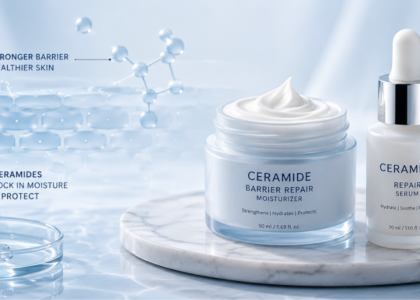
- Ceramides
- Glycerin
This is why our winter creams and lotions often include a combination of humectants, emollients, and occlusives — a complete system to keep your skin soft and protected.
Why Do These Three Ingredients Stand Out?
Among all winter skincare ingredients, these three remain unmatched because they are:
- Safe for most skin types
- Proven to repair winter dryness
- Effective in barrier support
- Easy to layer
- Fast-acting
As manufacturers, we see consumers demand formulations with shea butter, hyaluronic acid, and squalane every winter — and for good reason.
Final Thought
Absolutely yes.
- Shea butter repairs your skin.
- Hyaluronic acid hydrates deeply.
- Squalane seals and protects without heaviness.
They are a trio your skin will thank you for all season long.
At The Great Herbal, we proudly manufacture winter skincare products infused with these powerful ingredients — from creams and serums to moisturizers and face oils.
If you are a brand looking to create effective winter formulations, these ingredients are the perfect foundation.